

| Summary: An executive order was signed to place cannabis under Schedule III at the federal level. For patients in Massachusetts, medical cannabis care continues through clinician evaluation and state oversight, and that process has not changed. The significance of Schedule III lies primarily in how cannabis is treated within medicine, particularly in research, education, and clinical standards. Fewer federal barriers allow researchers and healthcare systems to study cannabis more rigorously and to apply clearer medical guidance over time. As evidence improves, cannabis is more likely to be considered within routine treatment planning rather than as a special case. Care remains physician-led, individualized, and reviewed over time, consistent with standard medical practice. |
On December 18th, 2025, an executive order was signed opening the door to reclassifying marijuana from Schedule I to Schedule III. After years of advocacy, the conversation around the medicinal benefits of cannabis is finally changing. For patients in Massachusetts who participate in the Medicinal Use of Marijuana Program, there are many questions around how this may affect their current treatment.
Medical cannabis continues to be accessed through the state lead program, requiring a clinical evaluation, and recommendation for its safe use to help manage your symptoms.
This article explains the Schedule III classification and how it relates to medical cannabis care for patients in Massachusetts.
Understanding Schedule III
How Federal Drug Scheduling Works
Federal drug schedules determine how substances are regulated within medical, research, and institutional settings. Schedule I substances are defined as having no accepted medical use and a high potential for abuse. For decades, cannabis was placed in this category, which significantly limited how it could be studied and discussed within healthcare systems.
Schedule III substances, by contrast, are recognized as having legitimate medical value while remaining regulated. They can be studied using standard clinical research models and incorporated into care under established medical oversight.
Reclassifying cannabis into Schedule III represents a federal acknowledgment that cannabis has medicinal value and can be evaluated and discussed using the same medical standards applied to other controlled therapies. This distinction matters because federal classification shapes how clinicians, hospitals, and research institutions are permitted to engage with a substance.
Why the Schedule III Update Matters for Medical Research
Expanding Opportunities For Scientific Study
For many years, cannabis research was constrained by regulatory limitations rather than a lack of clinical interest. Under Schedule I, cannabis has been labeled as having “no medicinal value, and a high abuse potential.” Therefore, researchers have not had access to the same standardized study materials, or funding opportunities necessary to fully study its medicinal effects. These limitations restrict the extent of clinical trials and delay the progress of knowing the influence of cannabinoids on some specific health conditions.
Federal agencies, like the National Institutes of Health, have earlier acknowledged that the previous classification of cannabis as a Schedule I drug limited the researchers’ application of traditional clinical trial frameworks to investigate it. For decades, clinicians in this space have relied on pre-clinical data, patient reported outcome measures, retrospective studies, and international research for evidence-based cannabinoid care and guidance. With the Schedule III classification, these barriers are reduced, allowing for federal research to be conducted with hemp-derived cannabinoid products.
This order directs the Department of Health and Human Services (HHS) to develop research methods and models so that universities, hospitals, and pharmaceutical researchers can use real-world evidence, applying the same frameworks as other controlled medication trials, to inform standards of care – leading to clearer dosing guidelines, better understanding of interactions, and more precise recommendations.
As a patient, this reflects what the federal marijuana policy shift means for cannabis use and research: a future where care decisions are guided by stronger evidence rather than trial and error.
What Expanded Research Means for Patients
Expanded research directly influences how medical cannabis is evaluated and used in patient care.
Key implications for patients include:
- A clearer understanding of how cannabinoids interact with the body and other medications
- More precise insight into how cannabis may complement other treatments
- Reduced reliance on generalizations as evidence becomes more robust
For patients managing chronic pain, inflammation, sleep disturbances, anxiety, cancer and cancer-treatment related symptoms, neurological conditions, and other long-term health concerns, this shift supports more individualized care. Cannabis is increasingly assessed alongside traditional therapies, rather than treated as an exception for refractory conditions and symptoms, within standard medical practice. This helps normalize patient conversations and encourages more providers to engage openly and knowledgeably about medical cannabis.
Integration Into Traditional Healthcare
Schedule III classification supports stronger alignment between medical cannabis and conventional healthcare systems.
As federal recognition increases, healthcare systems can:
- Establish clearer clinical protocols and documentation standards
- Improve provider education and training
- Support more consistent communication across care teams
For patients, this means cannabis use can be discussed more openly during medical visits, including in relation to other medications and ongoing treatments. Providers are better positioned to assess interactions, coordinate care, and offer guidance grounded in current medical understanding.
What Has Not Changed for Massachusetts Patients
Federal rescheduling does not alter how patients access medical cannabis in Massachusetts.
Current requirements remain in place:
- Evaluation by a licensed clinician
- Meeting qualifying medical criteria
- Ongoing compliance with state regulations
- Purchasing from a licensed Massachusetts medical dispensary
These safeguards remain essential for patient safety and efficacy. What has changed is the broader context supporting this care. Although this order does not integrate your state-regulated cannabis into federal healthcare systems, it does open the door to discussing cannabis in the same context as other medications you may take. This improves care coordination and reduces uncertainty when you speak with physicians, specialists, or pharmacists about your treatment options.
How Medical Cannabis Care Works in Massachusetts
Physician Evaluation and Oversight
The process of medical cannabis care starts with a thorough clinical evaluation. The provider checks the patient’s health record, talks about the presenting symptoms, and decides whether cannabis is a good option in the entire care plan. The medical oversight makes it certain that the treatment choices are patient-oriented and clinically sound.
Ongoing Review and Follow-Up
Medical cannabis care is an ongoing treatment plan, not a single decision. Different patients react depending on their condition, physiology, tolerance level, and health condition. Symptoms may change, and the need for treatment may also change with the passage of time.
During the follow-up visits, the clinicians review patient-reported outcomes, check how effective the treatment is, and make changes in the care when necessary. Cannabis is evaluated alongside factors like sleep, stress, daily activities, and other treatments that the patient is receiving.
The approach of treating the patients reflects the traditional medical practice across all care areas.
How ECS Wellness Supports Patients
ECS Wellness, an MGB Affiliated Practice, is positioned within one of the nation’s premier academic health systems and is already a national leader in cannabinoid care. Using Patient Reported Outcome Measures (PROMs), ECS Wellness is doing their part to collect real-world data on how your cannabis regimen is supporting symptom management.
What patients can expect
- Evaluation by licensed clinicians
- Medical cannabis certification based on clinical assessment
- Ongoing follow-up care based on established practice standards
Care Access
- Insurance-based medical visits for eligible plans
- Telehealth and in-person appointment options
Patient Support
- Patient centered education about your medicine and care plan
- Follow-up discussions as treatment progresses
- Integrative care planning based on individual needs
A Clear Path Forward for Patients
The executive order for cannabis reclassification to a Schedule III is a significant step towards a better synchronization of federal policy and clinical reality. It does not mean that patients will be receiving different care immediately, but it will get easier for the medical cannabis sector to be recognized and supported by research, education, and even healthcare.
In Massachusetts, the medical cannabis care provided to patients is via licensed medical professionals and under strict supervision. What has changed is the supportive recognition of that care at the federal level.
As the research progresses and the medical comprehension increases, patients can expect less ambiguous directions, more enlightened conversations, and treatment that is more readily accepted into the healthcare practices of the large majority.
ECS Wellness continues to provide highly specialized clinician-led insurance-based care. This approach remains consistent regardless of federal classification changes.
Frequently Asked Questions
What does Schedule III recognition mean for patients?
It reflects federal recognition of medical use and allows cannabis to be reviewed within standard medical and research frameworks.
How does this affect medical cannabis care in Massachusetts?
Care continues through clinician evaluation and follow-up under Massachusetts medical cannabis regulations.
Will this change how doctors approach cannabis treatment?
Clinical decisions continue to be based on patient needs, medical judgment, and available evidence.
Can patients use insurance for medical visits?
With ECS Wellness, many patients are able to use insurance for physician evaluations and follow-up visits related to care, depending on plan eligibility.
Is cannabis used on its own or as part of broader care?
At ECS Wellness, cannabis is reviewed alongside other health factors as part of an overall care plan.
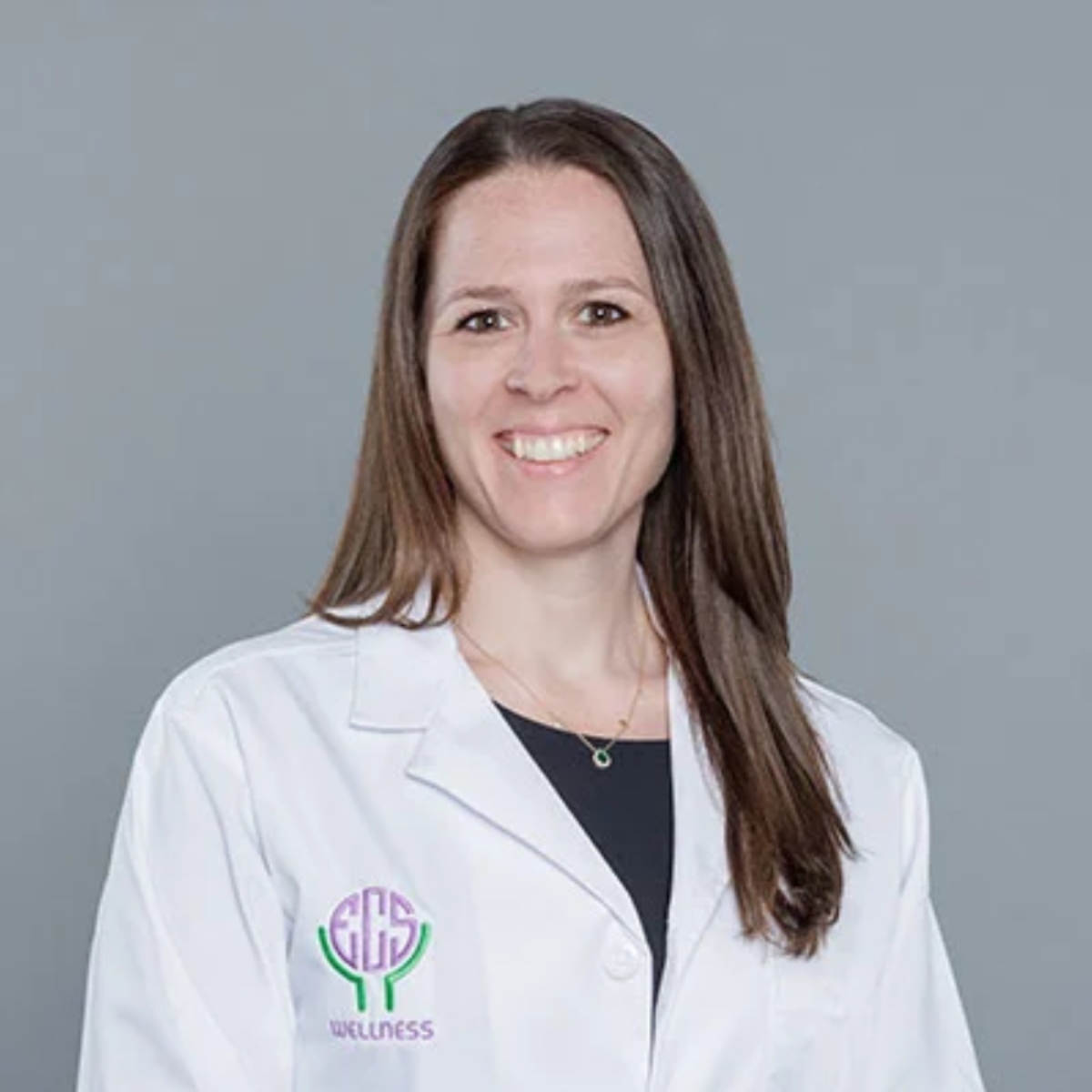
Meghan Zaklin, MSN, FNP-BC is a board-certified Family Nurse Practitioner and clinical leader specializing in integrative, whole-person healthcare with a focus on cannabinoid medicine, mind-body connection, and lifestyle-based interventions. She is the Co-Owner and Chief Quality and Safety Officer at ECS Wellness, a Massachusetts-based integrative medicine practice dedicated to evidence-based medical cannabis care and personalized wellness solutions.