

| Summary: Medical marijuana is considered a promise to treat anxiety, insomnia, and pain-related problems. It helps patients to sleep faster and rest longer. However, there are some side effects of medical marijuana, like drowsiness or morning grogginess. But with proper medical guidance, one can get healthy sleep practices. |
Introduction
Sleep is referred to as the reset button for the body and for a very good reason. But when you’re unable to snag a nap? Everything suffers from concentration, productivity, emotions, and even long-term health.
As a greater number of individuals suffer from insomnia and other sleeping disorders, there is increased interest in alternative treatments. One such treatment that has increased focus is medical marijuana. To some individuals, cannabis is like a missing piece in their pre-sleep routine, providing a feeling of relaxation and relief. To some individuals, it’s an annoying experiment that fails to provide results as promised.
So what’s real?
- Does medical cannabis help with sleep
- How medical cannabis affects sleep quality
We’re about to uncover what you need to know in this blog by taking a peek at what works, what doesn’t, and what you should consider if you’re thinking about cannabis for a better night’s sleep.
Comprehending Sleep and Its Issues
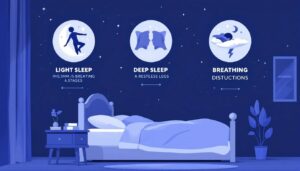
To understand how marijuana interacts with sleep, it would perhaps make some sense first to understand what occurs during those precious hours of sleep.
- Sleep stages: Sleeping is not uninterrupted. It cycles alternating between sleeping lightly, slow-wave sleeping, and REM sleeping. A normal sleeping cycle shifts gradually between stages several times during the night.
- Common disorders: Insomnia is at the head of this list. It’s hard to fall or stay asleep. Sleep apnea disturbs breathing. Restless leg syndrome creates unpleasant feelings that disturb rest.
How Do Medical Marijuana Treatments Affect Sleep?

What marijuana does to its consumers is biology, the endocannabinoid system (ECS).
- The ECS controls important processes such as mood, appetite, and circadian rhythms. When marijuana cannabinoids attach to ECS receptors, their action can alter our sleeping-waking cycle.
- THC (tetrahydrocannabinol) is a psychotropic substance with a sedative effect, which may get people sleepy earlier. THC can suppress REM sleep, which may discourage nightmares, but is not welcome for memory consolidation.
- These are substances such as myrcene and terpinolene, which carry sedative, calming effects.
What Medical Marijuana Works for in Sleep Disorders
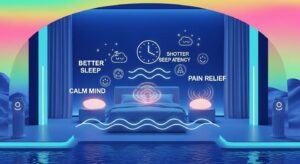
Research continues to progress, but there is evidence along with patient testimony in support of medical marijuana as beneficial in certain instances:
- Insomnia: A number of studies indicate that THC decreases latency before sleeping. Most patients experience longer, less disrupted sleep with strains carefully selected.
- Chronic pain: Pain is one of the key reasons for restless nights. Cannabis’s analgesic effect allows individuals not only to tolerate better during the daylight hours but also to gain uninterrupted rest.
- Anxiety-linked sleeping problems: CBD is renowned for its calming effect. Minimizing anxiety enables CBD to help circumvent pre-sleep racing thoughts so you can fall asleep sooner.
While such benefits are not universal for everyone, they are particularly promising for those suffering from some disturbance in sleep.
How to get medical marijuana in Massachusetts?
Cannabis is not a magic cure for all sleeping disorders.
- Sleep apnea: Evidence here is contradictory. Since cannabis depresses breathing, it might even be hazardous for individuals with untreated apnea.
- Restless leg syndrome (RLS): Some anecdotal reports suggest it is effective, but clinical evidence shows mixed or weak outcomes.
- Long-term gains: Although marijuana might make you sleep better in the short term. You might need higher doses in the long term, adversely impacting sleeping quality.
- Day-after effects: THC-predominant cannabis may leave a user feeling overwhelmed, disoriented, or develop a “hangover effect.”
That doesn’t make cannabis ineffective. It just means an individual’s expectations should be in line.
Key Considerations and What to Watch For
These are some issues you should note before you use medical marijuana for sleeping:
- Side effects: Vivid dreams, drowsiness, or morning-after fog are reported by some users.
- Selecting an appropriate profile: Many patients select high-THC indica strains for sleeping. Some are supplemented by balanced THC: CBD-type strains.
- Quality and legality issues: Not all cannabis is regulated. Potentially tested products might contain contamination or improper THC/CBD labeling. Only buy at real medical-grade dispensaries.
Tips for Using Medical Marijuana for Sleep Promotion
For you and your clinician to consider trying medical marijuana, there are some best practices:
- Begin slow and proceed gradually: Begin slow and proceed gradually until you are in what you consider a proper or comfortable position.
- Timing is everything: Most individuals smoke pot 30–60 minutes before bedtime. Too early might wear off; too late might make you drowsy in the a.m.
- Strain selection: Products or strains containing many sleeping sedative terpenes, such as myrcene and linalool, are usually superior for sleeping over stimulating strains such as sativas.
- Healthy sleep hygiene: Cannabis is no health substitute, stick to regular bedtime routines, restrict screens, and establish a pre-sleep bedtime routine.
- Monitor results: Maintain a sleep diary to record what works and what doesn’t. Modify with direction from your healthcare provider.
When to Call a Doctor
Whereas self-experimenting might seem safe in some cases, a specialist is called for in certain circumstances:
- If you are suffering from longer-term insomnia, or if it is significantly affecting daily life.
- If you are experiencing any disorder such as sleep apnea syndrome, restless leg syndrome, or narcolepsy.
- If you are consuming any other drug or possessing any life-long disease.
- If the side effects of cannabis are a concern for you.
Typically, a sleep study (polysomnography) can provide a clearer sense of what is behind your sleeping issues.
ECS Wellness’s Position Regarding Medical Cannabis and Sleeping
At ECS Wellness, we do not advocate for a generic fit for everyone. We opt for customized care.
- We begin with an assessment of your sleeping issues and determine if medical marijuana is appropriate.
- We customize cannabinoid ratios, administration modes, and schedules according to your needs.
- Tracking progress and side effects is encouraged so prompt changes can be made.
- Besides cannabis, we support patients in making healthier lifestyle decisions, stress management, and general wellness support with nutrition and mental health counseling.
Conclusion
Medical marijuana is promising in treating insomnia, pain, PTSD, and anxiety. It is less so in sleeping apnea, restless leg syndrome, and for sleeping in the long term.
The secret is expert counsel, individualization, and realistic expectations. Used properly, cannabis can be an effective adjunct in your larger sleep and health arsenal.
Are you wondering if medical marijuana is an option for healing your sleeping issues? Then our professionals at ECS Wellness are available for you. Contact us today for an appointment and begin sleeping better.
Frequently Asked Questions
1. Am I able to manage my insomnia with medical marijuana and sleep better overall?
Cannabis with a high THC content negatively impacts sleep onset latency and positively impacts the duration of sleep. There is a reduction in the cumulative effect of use in subjects with tolerance.
2. What is the difference between THC and CBD concerning sleep?
Cannabis Indica is a sleep inducer, and THC is a sleep inducer. CBD, on the other hand, is anxiolytic and helps reduce anxiety, which is a barrier to sleep.
3. What are the side effects and danger of using medical marijuana for sleep?
Yes, with:
- drowsiness
- intense dreams
- dry mouth
- A racing heart is a side effect.
Chronic use may also lead to the development of tolerance or addiction.
4. How do I select the medical marijuana product for my sleep problems?
Consult a physician to pick a product with proper levels of THC, CBD, and sleep-inducing terpenes.
5. When should I consult with a health professional about the use of medical marijuana for sleep?
If sleep difficulties last for several weeks, or if they disrupt daily functioning. It is best to consult with a physician before using cannabis.