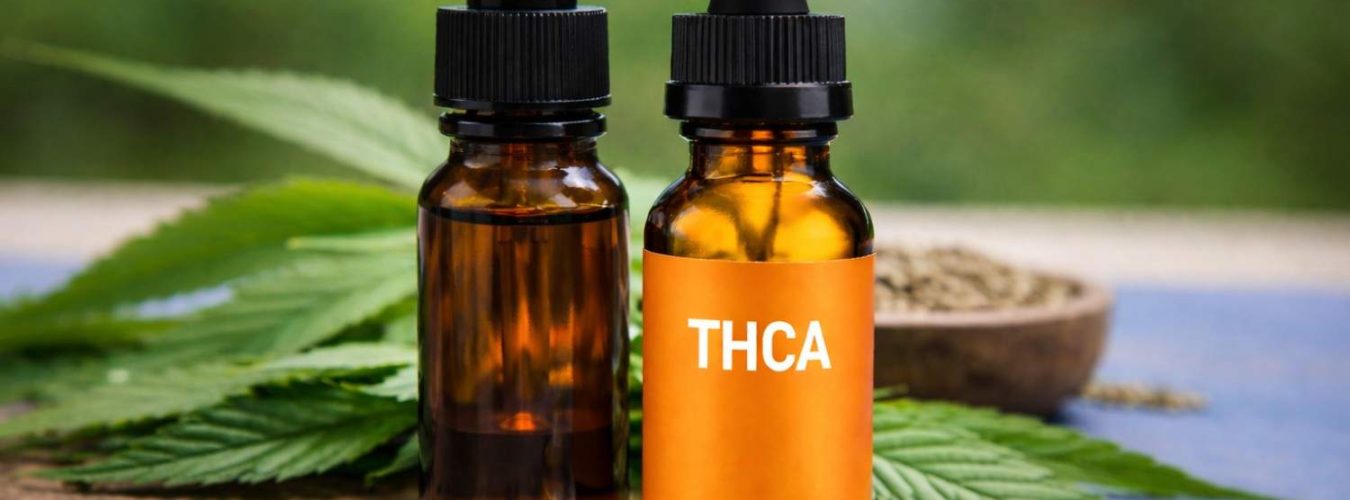
THCA , like many medical cannabis topics, are located at the crossroads of science, marketing, and real patient needs. Through this guide, we will tell you about THCA tinctures, their differences from THC products, the research so far, and the importance of medical consultation, particularly in Massachusetts.
What Is THCA?
THCA (tetrahydrocannabinolic acid) is the acidic precursor of THC and can make up to 90% of the THC content in raw, fresh, unheated cannabis flowers.
When looking at the testing labels of dried and cured cannabis flower sold in a medical dispensary, you will notice a breakdown of cannabinoids in the flower and that the THCA amount in the packaged flower is a higher percentage than THC. This is because THCA converts to THC at temperatures between 220 to 240 ℉. “Smoking,” “vaping,” or “baking,” the flower initiates THCA to go through a chemical change called decarboxylation, which converts it into THC. Trace amounts of THC are present because of oxidation during the drying and curing process.
THCA itself is not intoxicating. Its molecular structure does not strongly bind to CB1 receptors, nor is it easily able to cross into the brain. THC, on the other hand, is able to cross the blood-brain barrier targeting CB1 receptors in the brain – contributing to the dose dependent “high” effect that most people relate it to the usage of cannabis.
Benefits of THCA (What the Research and Clinical Use Suggest)
Research on THCA is still emerging. Much of what we know comes from preclinical, and early clinical observations. That said, there are several areas where THCA is being explored.
Interaction with the Endocannabinoid System
THCA appears to interact with several targets, including CB1/CB2 cannabinoid receptors, TRP pain/temperature channels, and enzymes that regulate inflammatory lipids and endocannabinoids.
THCA shows low affinity for CB1 and CB2 receptors compared with THC, so it does not produce the strong psychoactive effects you associate with THC. Laboratory binding and functional assays indicate THCA can weakly interact with CB1/CB2 or modulate them indirectly, but it generally fails to activate CB1 strongly enough to cause intoxication. THCA is also more polar than THC, it seems to have limited access to the brain; another explanation for why it can activate cannabinoid pathways in the body without strong psychoactive effects.
Beyond CB1/CB2, preclinical studies suggest interactions with enzymes (like COX) and transient receptor potential (TRP) channels, and that THCA may affect inflammatory signaling pathways.
Inflammation and Physical Discomfort
According to preliminary studies, THCA can reduce TNF‑α release from immune cells and weakly inhibit COX‑1 and COX‑2 – the same enzymes that NSAIDs (i.e. ibuprofen, naproxen, meloxicam) target – suggesting possible benefit in inflammatory pain, arthritis, and autoimmune conditions.
Although large clinical trials are limited, clinical observations through patients treated at ECS Wellness with THCA in their regimen, show improved pain in and reduced inflammation at very low doses, without side effects.
Nausea and Appetite Challenges
In animal studies, THCA reduced nausea‑related behaviors and vomiting. This is consistent with patient reported outcomes and clinical observations among ECS Wellness patients, which is especially significant for cancer patients, those suffering from chronic nausea, cyclical vomiting, or other brain-gut disorders.
Neuroprotection and Brain Health
In cell models of Parkinson’s disease, THCA protected dopamine neurons and improved cell survival and neurite structure, raising interest in neurodegenerative conditions. Clinical case reports discuss THCA, and other cannabinoids along with conventional treatments for seizure disorder. The results of these studies are very promising, but they are still in the very early stages and mainly exploratory.
Metabolic health and obesity
Preclinical data of diet‑induced obesity, THCA (via PPAR‑γ activation) reduced adiposity, improved metabolic markers, and blunted inflammation, suggesting possible benefit for metabolic syndrome and fatty liver in the future.
What We Still Don’t Know About THCA
THCA is not a fully mapped cannabinoid. There are important gaps in the research that patients should understand.
- Large-scale human clinical trials are limited
- Long-term safety data is still developing
- Optimal dosing ranges are not standardized
- Product consistency varies widely between manufacturers, and can be untested if bought online
In other words, current clinical applications are exploratory, and expectations should stay realistic. Clinical guidance and monitoring are especially important for exploratory treatments to ensure patient safety.
How is THCA Administered?
THCA can be consumed by methods of juicing raw uncured flower, or blending it into a smoothie, however, medicinal dispensaries do not sell cannabis flower this way. What you will find online, is unregulated Hemp THCA, which is essentially unregulated THC. This is being bought in states where THC is illegal or only available on the medical market, and consumed through smoking or baking, thereby converting to THC – hence the updated hemp ban and why ECS Wellness does not recommend buying THCA flower online for juicing.
The other option for THCA administration is through capsules or tinctures. Tinctures are the liquid extract of the Cannabis plant, specifically made to administer the THCA in its unrefined state. Typically, tinctures are simply taken under the tongue or mixed into food or drinks (be careful with oil based tinctures in drinks – the medicine will stick to the side of the cup and you won’t get the full medicinal effect).
Making a concentrated THCA tincture (or capsule) for administration is a bit more nuanced and time consuming, in order to avoid decarboxylation. Therefore, it is not readily available at many dispensaries in Massachusetts.
Currently, the only dispensary in Massachusetts who is selling a THCA that we are aware of, is NETA’s THCA tincture. Patients are typically drawn to it because:
- It is offered in a tincture format
- It is positioned as non-intoxicating
- NETA is a Massachusetts-based dispensary that patients recognize
As patients consider THCA tinctures, guidance from medical experts can help clarify how these products may fit safely into a care plan. Dr. Ryan Zaklin, founder and medical director of ECS Wellness, spent years studying the endocannabinoid system and integrative approaches to patient care.
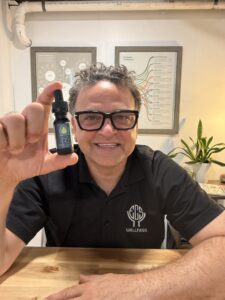
In the video below, Dr. Zaklin shares insights on THCA tinctures, including how they differ from THC products, potential benefits, and why a medical-first approach is important.
As with any cannabis product, individual response varies. A tincture that works well for one person may not be the right fit for another. Medical guidance helps ensure product choices align with health goals, medications, and reduce the risk for adverse reactions.
NETA THCA Tincture Offer
The following offer is provided by NETA and shared here for patient awareness only.
THC-A TINCTURE
BUY ONE, GET ONE FREE
DELIVERY AVAILABLE
Valid for Wishing Well THC-A Tincture
Only full-price items qualify
Offer expires 03/31/26
Present this coupon at any NETA location to redeem
Locations:
- NETA Brookline — 160 Washington St
- NETA Franklin — 162 Grove St
- NETA Northampton — 118 Conz St
Offer provided by NETA, a licensed Massachusetts dispensary partner of ECS Wellness. Terms apply.

THCA Side Effects and Safety Considerations
THCA itself is non‑intoxicating at usual doses, However, THCA can convert to THC when exposed to heat, light, or improper storage, increasing the chance of a high, anxiety, or impairment. That means:
- A product labeled “THCA” may still contain small amounts of THC if not processed or stored correctly
- An old THCA tincture can convert to THC if sitting out too long, or exposed to light – consider keeping your tincture in the fridge between uses to avoid this.
- Standard cannabis cautions apply—start low, avoid driving or operating machinery until individual response is clear.
- Do not try without consulting your clinician if you are pregnant, those with bleeding conditions, have heart disease, unstable psychiatric conditions, and when taking sedating or interacting medications.
How ECS Wellness Helps Patients Navigate Cannabinoid Care Safely
At ECS Wellness, cannabis care is integrated into the medical recommendations made, alongside conventional interventions and other integrative recommendations.
As a Massachusetts-based, physician-led clinic, ECS Wellness focuses on:
- Insurance-covered medical visits including cannabis guidance and certification (when applicable)
- Telehealth access for convenience and continuity
- Integrative care that includes lifestyle, mind-body support, and education
- The foundation of safety and the context of the patient are the elements of evidence-based guidance.
- The measures of patient-reported outcomes (PROMs), which are approved by the National Institutes of Health (NIH), will be used to monitor progress during the period of treatment.
The impact of cannabis varies from one individual to another. Care that is structured assists in minimizing the uncertainty and enabling more reliable outcomes.
From the Clinic: Meghan’s Perspective on THCA
“THCA is a great example of why medical guidance matters with cannabis. While promising, the leap from the bench to the bedside is a large one, and there is still much to learn about clinical application of THCA. ‘Non-intoxicating’ does not mean it’s risk-free. Our role is to help people understand what’s realistic, what’s still unknown, and how to approach cannabis thoughtfully and guided, rather than trial and error.”
— Meghan Zaklin, MSN, FNP-BC, ECS Wellness
Making an Informed, Medical-First Choice
THCA tinctures can be a helpful option for some patients who want cannabis support without feeling impaired. That’s the appeal. But it’s only part of the story.
The science around THCA is still evolving. Product quality varies. Labels can be confusing. Individual responses are never the same. That’s why context matters.
Cannabis works best when it’s used with intention. Not trends. Not assumptions. And not guesswork.
If you live in Massachusetts and are thinking about medical cannabis, a clinical conversation makes a difference. A consultation with ECS Wellness helps clarify eligibility, safety considerations, and whether THCA fits into a care plan built around your health, not a product label.
Frequently Asked Questions
1. Does a THCA tincture get you high?
THCA itself is not intoxicating. However, it can convert to THC under certain conditions, such as heat or improper storage. How someone feels depends on the product and the individual.
2. How is a THCA tincture different from a THC tincture?
THCA tinctures are designed to deliver raw cannabinoid acids. THC tinctures contain activated THC and are intended to produce intoxicating effects. They serve different purposes.
3. Is THCA safe for anxiety, sleep, or pain?
Some patients explore THCA for these reasons. Results vary. For anxiety and sleep in particular, medical guidance matters to avoid unwanted effects or interactions.
4. How do I read THCA labels in Massachusetts?
Look beyond the front label. Pay attention to total THC, THCA content, and third-party lab testing. Without context, labels can be misleading.
5. Do I need medical certification to talk to a doctor about THCA?
In Massachusetts, speaking with a medical provider helps ensure cannabis use aligns with your health needs and state regulations. It’s about safety, clarity, and informed care.
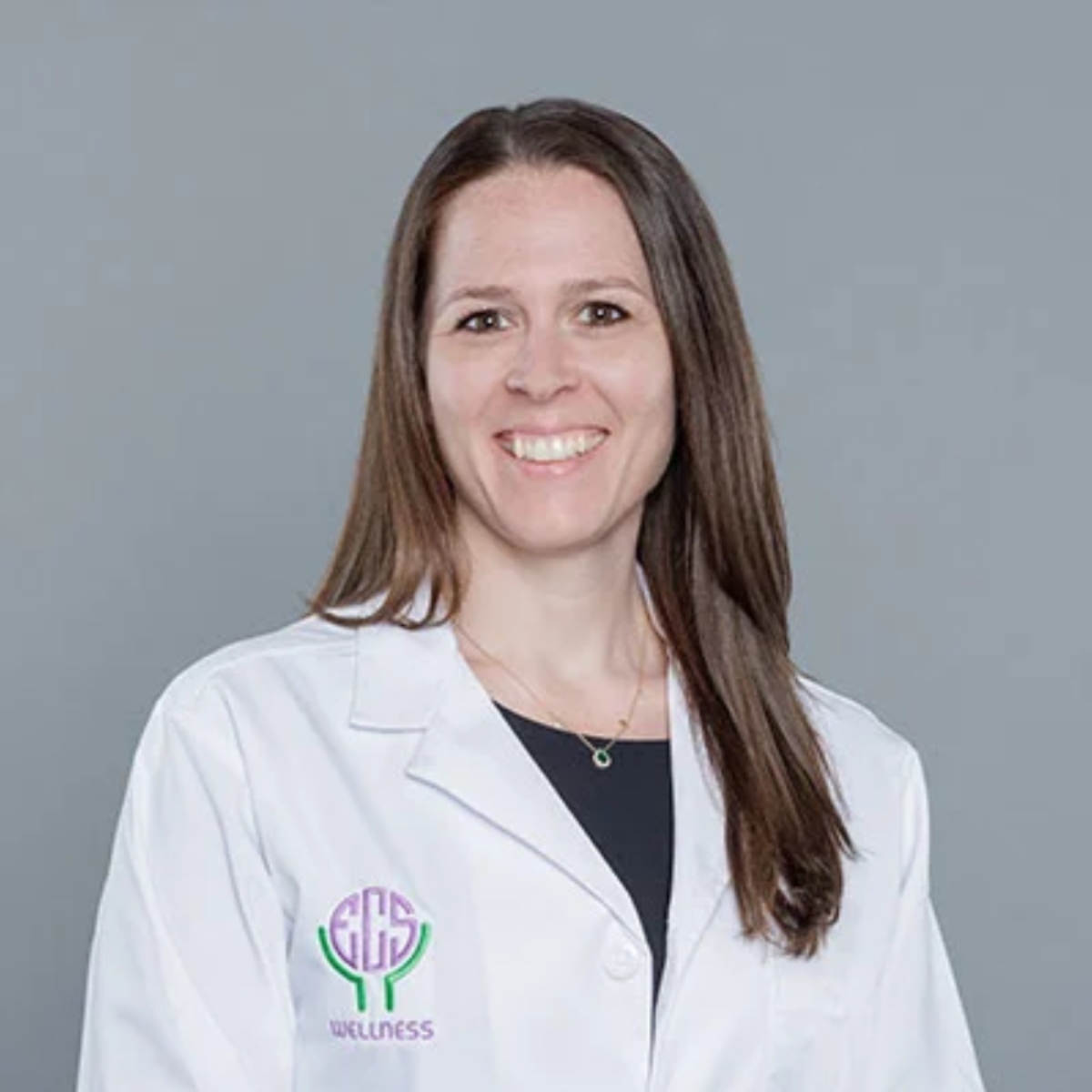
Meghan Zaklin, MSN, FNP-BC is a board-certified Family Nurse Practitioner and clinical leader specializing in integrative, whole-person healthcare with a focus on cannabinoid medicine, mind-body connection, and lifestyle-based interventions. She is the Co-Owner and Chief Quality and Safety Officer at ECS Wellness, a Massachusetts-based integrative medicine practice dedicated to evidence-based medical cannabis care and personalized wellness solutions.