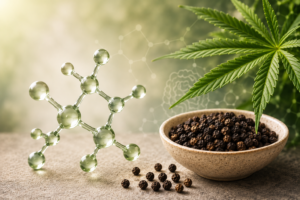
Cannabis terpenes are aromatic compounds that contribute to the plant’s scent, flavor, and potential therapeutic effects. Vaporizing at their specific boiling points allows patients to inhale these benefits efficiently while avoiding combustion toxins.pmc.ncbi.nlm.nih+1
What Are Terpenes?
Terpenes are volatile organic compounds produced by cannabis and many plants, responsible for aromas like pine or citrus. In cannabis, they may enhance cannabinoid effects through the “entourage effect,” potentially amplifying benefits like pain relief or relaxation.
Research shows terpenes exhibit anti-inflammatory, analgesic, antimicrobial, and neuroprotective properties, often studied alongside cannabinoids for synergy.
Key Benefits
Terpenes offer diverse therapeutic potential backed by preclinical studies. They include anti-inflammatory effects to reduce acute swelling, anxiolytic properties for stress relief, and antioxidant actions for cellular protection.
Specific examples: β-caryophyllene binds CB2 receptors for analgesia and anti-inflammation; linalool provides sedative and antidepressant effects; limonene acts as an uplifting mood enhancer.
Patients may experience improved outcomes in pain management, sleep, and inflammation when terpenes are preserved.
Boiling Points Guide
Each terpene vaporizes at a unique temperature, typically 311–388°F, compared to cannabinoids like THC (315°F) and CBD (320-356°F).
Vaporizing preserves terpenes better than smoking, delivering fuller flavor and effects with less irritation.
| Terpene | Boiling Point (°C/°F) | Aroma/Effects |
| Pinene | 155/311 | Pine; focus, anti-inflammatory |
| Myrcene | 167–168/334 | Earthy; relaxing, analgesic |
| Limonene | 176–177/349 | Citrus; mood boost, antidepressant |
| Caryophyllene | 160–130/320 | Spicy; anti-inflammatory, CB2 agonist |
| Linalool | 198/388 | Floral; calming, anxiolytic |
Vaporization Tips
Set your device 320–374°F for balanced terpene release without degradation. Start low for flavor-focused sessions; increase gradually for stronger effects.
This method maximizes entourage benefits, as terpenes vaporize first, potentially enhancing cannabinoid absorption.
Consult a healthcare provider, especially for respiratory conditions, and use lab-tested products.
Resources:
- Hanuš, L. O., & Hod, Y. (2020). Terpenes/terpenoids in cannabis: Are they important? Medical Research Reviews, 40(5), 1–25. https://pmc.ncbi.nlm.nih.gov/articles/PMC8489319/
- Iannitti, T., Rinaldi, F., Capone, S., & Palmieri, B. (2019). Therapeutic and medicinal uses of terpenes. Medicinal Chemistry, 15(8), 1–12. https://pmc.ncbi.nlm.nih.gov/articles/PMC7120914/
- Ibn Rida, S., Sallam, A., & Alharbi, F. (2021). Cannabis sativa terpenes are cannabimimetic and selectively enhance cannabinoid activity. Scientific Reports, 11, Article 87740. https://doi.org/10.1038/s41598-021-87740-8
- Hughes, B. B., & Kalant, H. (2021). Are vaporizers a lower-risk alternative to smoking cannabis? Canadian Journal of Respiratory Therapy, 57, 1–5. https://pmc.ncbi.nlm.nih.gov/articles/PMC8975973/