| Summary: Many seniors are hearing more about medical cannabis but aren’t sure where to start. This January 13 Senior Spotlight offers a practical, educational discussion led by Meghan Clements Zaklin MSN, FNP-BC, focused on safety, sleep, anxiety, pain, and informed decision-making for older adults. |
Getting older often comes with new health challenges. Sleep doesn’t come as easily. Anxiety can sneak in. Pain may linger longer than we like. Many seniors are curious about medical cannabis as a potential tool to help, but it’s important to get guidance from healthcare professionals you can trust.
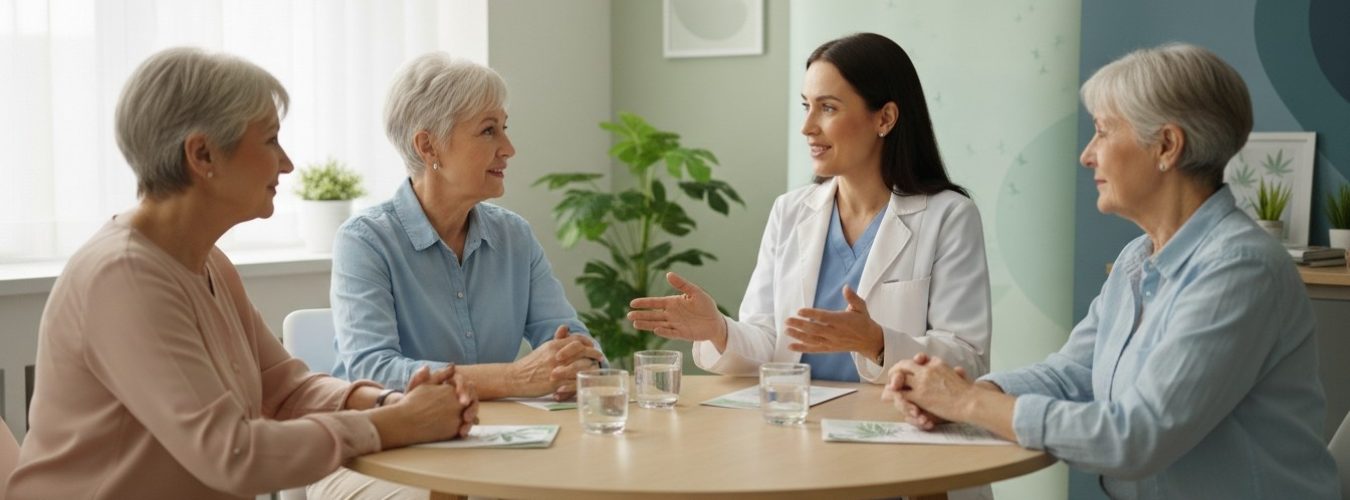
On Tuesday, January 13, at 1 p.m., ECS Wellness’ Meghan Clements Zaklin, MSN, FNP-BC, will be speaking at the Harvard Council on Aging Senior Spotlight. Her goal is simple: give seniors clear, practical, and safe guidance on medical cannabis.
This isn’t a sales pitch. It’s not about recreational cannabis. It’s about helping seniors make informed decisions that fit their unique wellness journey.
A Look Back at the Event – Video Recap
Why Seniors Are Talking About Cannabis
Many older adults struggle with sleep, stress, or chronic pain. Even after trying medications, therapy, or lifestyle changes, some symptoms persist.
Medical cannabis has caught the attention of seniors as a possible complement to their existing care plan. In Massachusetts, cannabis through a licensed Medical Marijuana Treatment Center (MTC) is tested, regulated, and monitored by the cannabis control commission’s standards making it safe for seniors who are considering cannabis as a treatment option. That being said, patients who take other medications or have complex health concerns, like many seniors, should discuss medical cannabis with their primary care (PCP) team, and request a referral to a cannabinoid specialist if their PCP is not comfortable recommending cannabis.
Although MTCs and their staff are very knowledgeable about the products, their general effects, and some indications for use, MTCs in Massachusetts are not staffed with medical professionals, such as pharmacists, NPs or MDs, trained to review potential medication interactions, and therefore cannot recommend a dose or product with certainty that won’t interact with other medications or cause intolerable side effects. This speaks to the importance of having prescriber guidance on what medical cannabis product, dose, and frequency to best support the treatment plan, minimizing potential adverse effects.
Meet Your Guide: Meghan Zaklin, MSN, FNP-BC
Meghan Zaklin is a board-certified Family Nurse Practitioner with over a decade of experience in geriatrics, internal medicine, and orthopedics.
At ECS Wellness, she serves as Co-Owner and Chief Quality & Safety Officer. Her mission is to create patient-centered, integrative, whole person care plans. She combines lifestyle medicine, mind-body strategies, and cannabinoid therapy to craft solutions that work for each individual.
Meghan believes in empowering patients with knowledge. She says understanding how a treatment works is just as important as the treatment itself. For seniors, this knowledge can make all the difference.
What You’ll Learn at the Senior Spotlight
During the Jan 13 session, Meghan will cover:
- Medical cannabis
People will be able to tell the differences in intention, regulation, and safety. Medical cannabis is recommended with high specificity for certain health conditions and under the watchful eye of healthcare providers.
- How cannabis may help with sleep, anxiety, and chronic pain
What the research says and how treatment can be tailored for older adults will be revealed.
- Legal medical access in Massachusetts
Seniors will be informed about the medical cannabis card qualification process, the certification process, and the state regulations compliance practices.
- Importance of working with a healthcare provider
The provider knows your health history, so cannabis has the greatest effect, with lowest risk for adverse effects when it is incorporated into the overall care plan.
- Tracking outcomes safely
Meghan will describe how ECS Wellness employs NIH-endorsed Patient-Reported Outcome Measures (PROMs) to assess effects and securely modify treatment.
This session is educational, not promotional, and designed to help seniors make informed, safe decisions.
How Medical Cannabis Can Support Senior Wellness
Medical cannabis may be helpful for:
- Sleep support: Many elderly people have sleeping problems, such as insomnia or waking up often at night. Very low doses of certain medical cannabis versions may cause relaxation and sleep regulation.
- Anxiety and mood management: Stress or anxiety may be chronic and cause depression. When employed sensibly, cannabis might help with a calming effect and balanced moods.
- Chronic pain relief: Conditions like arthritis, neuropathy, or cancer related pain, might be very hard to bear and difficult to control with standard treatments. Cannabis may come in handy as a complementary treatment along with physical therapy, exercise, or prescribed medications.
- Appetite and nausea support: Some seniors experience loss of appetite or nausea due to medical conditions or medications. Certain cannabis formulations may help stimulate appetite and improve comfort.
It’s important to remember that effects vary for each individual, and cannabis is part of a broader wellness plan, not a replacement for other treatments. Combining it with nutrition, exercise, mindfulness, and integrative care often provides the best outcomes.
Staying Safe: Key Tips for Seniors
Using medical cannabis safely requires mindfulness and guidance:
- Start low, go slow
Seniors must take the smallest doses and then gradually modify the dosage according to the effects. This not only decreases side effects but also guarantees the tolerability of the patient.
- Check for drug interactions.
Cannabis may counteract the effects of some drugs. Therefore, it is imperative to consult your physician about your present medications before commencing.
- Track your progress
Keep a personal record of your experience with cannabis or use tools like PROMs or symptom logs to study the changes in sleep, pain, or mood. Doing this will assist the professionals in making safe modifications to your treatment.
- Work with a board-certified provider.
Professionals like Meghan make sure that the use of cannabis is not just a separate treatment but also a part of the overall healthcare plan that is specially made for elderly patients.
By following these tips, seniors can enjoy safer, more predictable results while minimizing risks.
ECS Wellness’s Approach to Senior Cannabis Care
At ECS Wellness, medical cannabis is integrated into whole-person wellness:
- Personalized care plans combine cannabinoid therapy with mind-body strategies and lifestyle interventions.
- Harvard/MGB affiliation ensures clinical oversight, safety, and quality standards.
- An education-first approach empowers seniors to make informed decisions.
- Cannabis is supplemental, not a replacement for medical treatment, and ECS Wellness is not a dispensary.
The goal is to help seniors use cannabis safely and effectively while supporting overall health, wellness, and quality of life.
Why You Should Attend the Jan 13 Talk
The Senior Spotlight offers a unique opportunity to:
- Ask questions directly to a trusted healthcare professional
- Learn about senior-appropriate cannabis options.
- Understand how cannabis may fit safely into your wellness routine.
- Receive guidance on legal, evidence-based, and personalized care.
This session will leave seniors feeling confident, informed, and empowered to make decisions about their health and wellness.
Quick Facts About Medical Cannabis for Seniors
- Temporary medical cannabis cards are often issued the same day.
- Permanent cards typically arrive in 7-14 business days.
- ECS Wellness uses PROMs to track patient outcomes for safety.
- Cannabis is supplemental to integrative care, not a cure-all.
- Services are legal, safe, and tailored to seniors.
Takeaway: Knowledge is Empowering
Medical cannabis can be a helpful tool within a holistic, integrative wellness plan. The key is education, safety, and working with a trusted healthcare provider.
Join Meghan Zaklin at the Harvard COA Senior Spotlight on Jan 13 at 1 p.m. to learn more, ask questions, and explore how medical cannabis might support your personalized path to better sleep, mood, and overall wellness.
“We focus on empowering seniors with safe, evidence-based options that support sleep, mood, and quality of life,” says Meghan.
FAQs:
Is medical cannabis the same as recreational cannabis?
No. Medical cannabis is different. It’s recommended by a licensed healthcare provider and tailored to specific health needs. Recreational cannabis is not medically supervised and anyone in 21+ in Massachusetts has access to it. For seniors, medical oversight matters.
Can medical cannabis interact with my medications?
Yes, it can. That’s why it’s important to speak with a healthcare provider who understands your full medical history and current prescriptions. This helps ensure cannabis is used safely.
What does “start low and go slow” mean?
It means beginning with very small amounts and adjusting gradually. This approach helps seniors understand how their body responds and reduces the risk of side effects.
What can I expect from the Jan 13 Senior Spotlight talk?
You can expect clear, practical information without pressure or sales. The session is designed to answer common questions, explain safety considerations, and help seniors feel informed and confident about their options.
Is medical cannabis meant to replace my current treatments?
No. Medical cannabis is considered a supportive option, not a replacement for medical care. It works best when integrated thoughtfully into an existing wellness plan.
Do I need experience with cannabis to attend the talk?
Not at all. The session is designed for beginners, curious learners, and anyone who wants trustworthy information in a respectful, judgment-free setting.
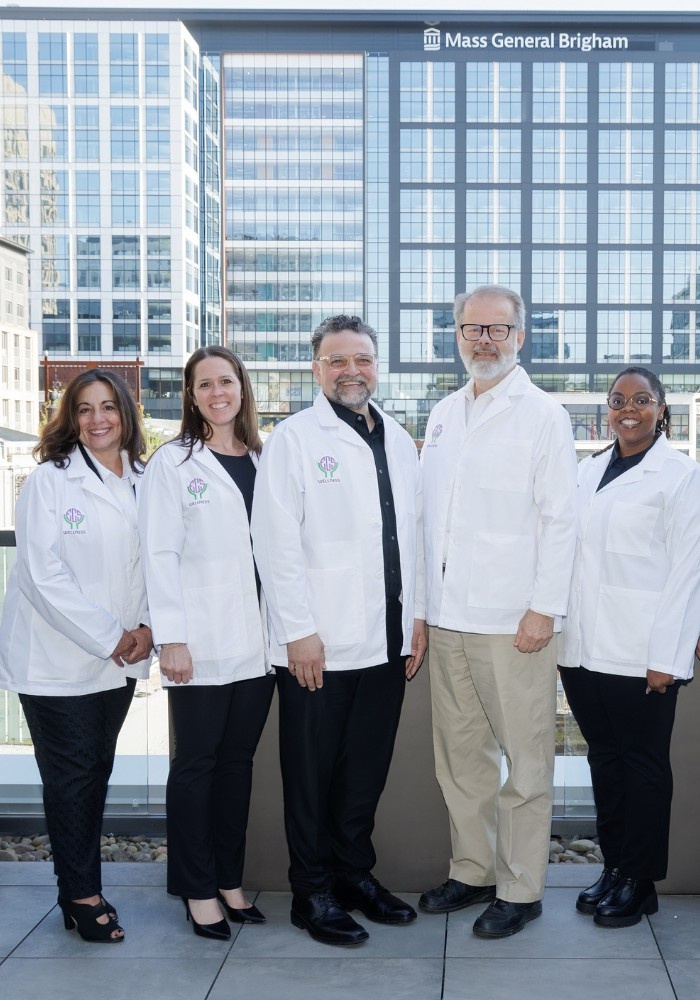
At ECS Wellness, our content is crafted by a dedicated team of healthcare professionals, lifestyle medicine experts, and wellness advocates committed to empowering patients with knowledge and guidance. Together, we provide evidence-based insights, practical tips, and resources to support your journey toward optimal health and well-being.