

| Summary: Supportive care in oncology goes beyond survivorship to enhancing quality of life. Scientifically, it addresses pain, fatigue, nutrition, psychological health, rehabilitation, and long-term recovery throughout the cancer journey. Supportive care balances science and compassion, helping patients and caregivers live with dignity, resilience, and hope after treatment. |
Cancer remains one of the most complex health challenges, often requiring aggressive therapies such as surgery, chemotherapy, and radiation. Treatments differ across cancer types but can leave patients with lasting physical, emotional, and social challenges. For instance:
- Sarcoma patients may face limb-sparing surgeries and extensive rehabilitation.
- Breast cancer patients often contend with fatigue, lymphedema, and body image concerns.
- Lung cancer treatments can cause chronic shortness of breath and a persistent cough.
- Leukemia and lymphoma treatments frequently involve long-term immunosuppression and infections.
Supportive care focuses on the person behind the diagnosis, ensuring patients do not just survive cancer; they live fully, with dignity and resilience.
The Research Foundation of Supportive Care
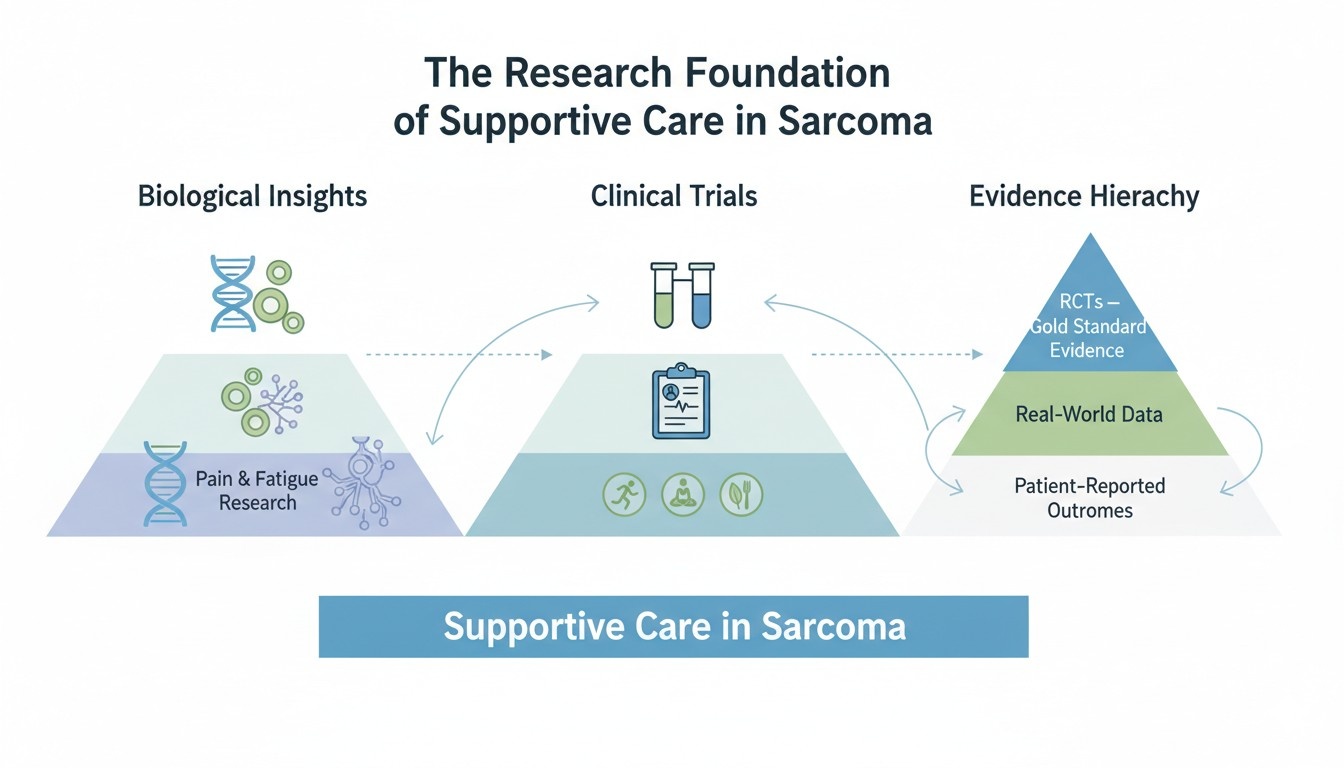
Supportive care in oncology draws on research across biology, psychology, and clinical evidence.
Biological Insights
Understanding symptom mechanisms is key to tailoring supportive care:
- Pain may result from nerve damage or inflammation; sarcoma surgeries often produce neuropathic pain, while breast or head-and-neck cancers can lead to post-surgical or radiotherapy pain.
- Fatigue is influenced by inflammatory cytokines and stress hormones, affecting recovery and emotional well-being across all cancer types.
- Nutrition affects immune function, healing, and treatment efficacy for every oncology patient.
These insights allow supportive care to evolve from comfort-focused approaches to science-backed interventions.
Clinical Trials in Supportive Oncology
Clinical research in supportive care has expanded significantly:
- Structured exercise and activity programs reduce fatigue for breast, lung, and hematologic cancer patients.
- Psychosocial interventions such as mindfulness, cognitive behavioral therapy (CBT), and counseling support emotional well-being.
- Nutritional programs help maintain weight, reduce inflammation, and support immunity.
- Alternative therapies, like cannabis for pain and nausea, have been explored across multiple cancer types.
While sarcoma patients often require long-term rehabilitation and symptom monitoring, these interventions benefit all oncology populations.
Evidence Hierarchy
Supportive care research ranges from randomized controlled trials (RCTs) to patient-reported outcomes in real-world settings, providing insights into improving daily living for every cancer patient.
Bridging Research to Clinical Practice
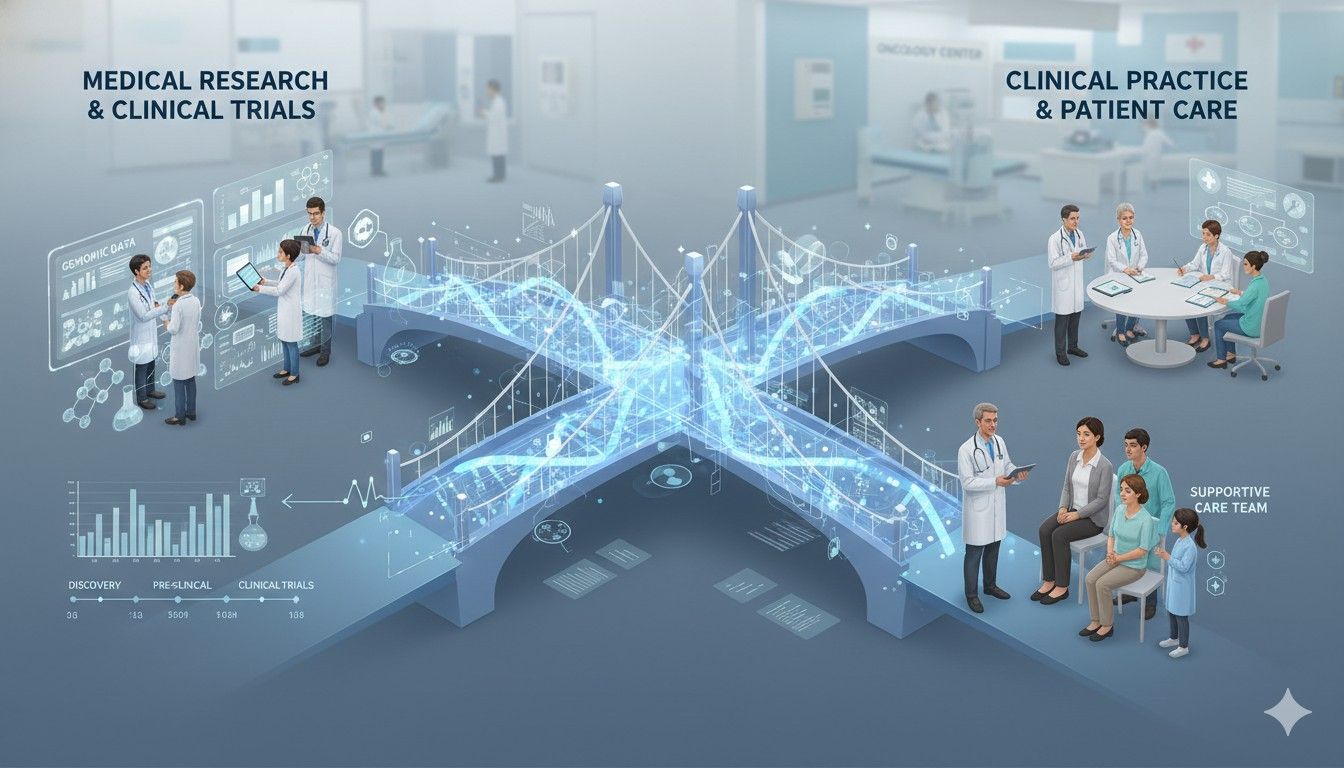
Early Translation
Research benefits patients only when implemented:
- Patient-Reported Outcome Measures (PROMs) track fatigue, pain, functional limitations, and quality of life alongside tumor metrics.
- ASCO, NCCN, and other organizations now recommend supportive interventions such as exercise, psychosocial support, and integrative medicine for all cancer types.
Barriers to Implementation
Despite evidence, supportive care access remains uneven:
- Shortage of specialists in smaller hospitals.
- Oncology teams prioritize disease treatment over holistic care.
- Insurance undervalues counseling, dietitian services, and rehabilitation.
Role of Major Cancer Centers
Leading institutions set standards by:
- Embedding supportive-care teams in tumor boards.
- Offering multidisciplinary clinics with oncologists, physiotherapists, nutritionists, and psychologists.
- Developing survivorship programs to monitor patients long-term.
Supportive Care Across Cancer Types
Supportive care is essential for all cancer patients, but the needs and challenges can differ depending on the type of cancer. Here’s how supportive care is applied across some major cancer types:
1. Sarcoma
- Treatments often involve extensive surgeries, chemotherapy, and radiation.
- Supportive care focuses on limb function, neuropathy management, fatigue reduction, and long-term rehabilitation.
2. Breast Cancer
- Patients may undergo mastectomy, lumpectomy, radiation, or hormone therapy.
- Supportive care includes lymphedema management, body image counseling, emotional support, and structured exercise programs to reduce fatigue.
3. Lung Cancer
- Surgery, radiation, and chemotherapy can lead to shortness of breath, chronic cough, and severe fatigue.
- Pulmonary rehabilitation, oxygen therapy, and psychosocial support are key components of supportive care.
4. Colorectal Cancer
- Surgery and chemotherapy can impact bowel function, nutrition, and energy levels.
- Supportive care includes digestive health management, individualized nutrition plans, and rehabilitation to maintain physical function.
5. Leukemia and Lymphoma
- Treatments such as chemotherapy and immunotherapy can cause immunosuppression, infections, and fatigue.
- Supportive care emphasizes infection prevention, energy management, nutritional support, and mental health counseling.
6. Prostate and Gynecologic Cancers
- Hormonal therapies and surgeries may lead to urinary, sexual, and hormonal side effects.
- Supportive care focuses on pelvic rehabilitation, hormone management, and counseling for emotional and physical health.
7. Head and Neck Cancers
- Surgery and radiation may impair speech, swallowing, and appearance.
- Supportive care includes speech therapy, nutritional support, pain management, and psychosocial counseling.
8. Pancreatic and Liver Cancers
- High symptom burden includes pain, weight loss, fatigue, and digestive issues.
- Supportive care emphasizes pain control, nutritional interventions, emotional support, and palliative care when needed.
9. Pediatric and Adolescent Cancers
- Children and teens face unique physical, emotional, and developmental challenges.
- Supportive care addresses growth and development, school reintegration, psychological support, and family counseling.
Pillars of Supportive Care in Oncology
Supportive care spans multiple disciplines, each essential for recovery across cancers. Sarcoma serves as one example of intensive treatment needs, while other cancers illustrate the broader application:
Symptom Management
Cancer treatments produce persistent symptoms:
- Neuropathy: Common after sarcoma, breast, or colorectal surgeries. Scrambler therapy and acupuncture are under study.
- Fatigue: Managed via personalized exercise and energy-conservation plans; crucial for leukemia or lymphoma patients undergoing long chemotherapy regimens.
- Sleep disorders: CBT-I improves rest and mood.
- Advanced monitoring: Wearables track symptoms; non-invasive brain stimulation addresses chronic fatigue.
Psychological & Emotional Care
Survivors face fear of recurrence, depression, anxiety, and body image challenges.
- Teen and young adult patients managing leukemia, lymphoma, or sarcoma may have disrupted education, fertility concerns, and social challenges.
- Solutions: Psycho-oncology clinics, peer support groups, expressive therapies, and individualized counseling.
Nutritional & Metabolic Care
Nutrition supports resilience for all oncology patients:
- Malnutrition and sarcopenia reduce therapy effectiveness.
- Dietitians develop anti-inflammatory, immune-supportive plans.
- Metabolic care addresses steroid-induced diabetes and weight changes.
Incorporating Palliative Care
Palliative care complements curative treatment:
- Reduces pain and early symptoms.
- Supports caregivers to prevent burnout.
- Guides advance care planning consistent with patient values.
Rehabilitation & Functional Recovery
Rehabilitation restores independence:
- Sarcoma patients may require extensive physiotherapy and prosthetic support.
- Breast cancer patients may need mobility exercises post-mastectomy or lymphedema management.
- Robotics, exoskeleton-assisted therapy, and physiotherapy benefit all post-surgical oncology patients.
Survivorship and Long-Term Recovery
Survivorship encompasses medical monitoring and life reintegration:
- Managing “scanxiety” before follow-ups.
- Counseling for fertility, career, or education concerns.
- Comprehensive survivorship plans to prevent long-term setbacks.
The Research-to-Recovery Connection
Recovery Programs
Programs address:
- Late toxicities, including cardiac, pulmonary, and fertility issues.
- Neurocognitive challenges like “chemo brain.”
- Social reintegration: Returning to work, school, or family roles.
Long-Term Recovery Markers
Success is measured by:
- Physical function restoration.
- Emotional stability.
- Social engagement and renewed purpose.
Advocacy & Peer Support
- Patient advocacy accelerates translation of supportive care research.
- Peer mentoring reduces isolation and empowers patients.
Systems & Delivery Innovations
Telehealth & Digital Platforms
- Remote monitoring of fatigue, mood, and nutrition.
- Mobile apps enable early interventions for all oncology patients.
Integrated Care Models
- Supportive care embedded in tumor boards and clinical pathways.
- Shared-care models connect academic centers with community clinics for broad access.
Equity & Access
- Many patients lack supportive services due to location or income.
- Solutions include mobile support units, insurance coverage expansion, and hospital-NGO partnerships.
Future Directions in Supportive Care for Oncology
Research Expansion
- Longitudinal analyses of quality-of-life results.
- More trials focused on cytotoxic drugs for rare cancers such as sarcoma.
Advocacy
- Finalization and implementation of insurance coverage for nutrition therapy, integrative medicine, and psychosocial care.
- Supporting the establishment of supportive care professionals as core members of oncology teams.
Technology
- AI systems that can intervene if fatigue, depression, or neuropathy are predicted to increase.
- Digital recovery plans customized by genotype and lifestyle.
Vision of the Future
- Supportive care will cease being called a “luxury,” instead, it will be incorporated as the core standard of oncology drivers, not solely for survival but for restored living.
Key Takeaways
- Supportive care should start at diagnosis, not treatment.
- Researching pain, fatigue, rehab, and emotional care is just as important as researching new drugs.
- True recovery = survivor + restoration of life.
- Next-generation sarcoma care evaluation will not just be about the duration patients survive, but more about the quality of life they enjoy.
A Message to Patients and Families
Cancer treatment can be overwhelming, but patients should never feel reduced to the treatment room alone. With comprehensive supportive care, patients regain the energy, confidence, and dignity to navigate life beyond therapy, fostering emotional resilience and well-being.
“From research to recovery, supportive care ensures that patients not only live longer but live well.”
ECS Wellness emphasizes that supportive care is not optional. It is an essential part of the cancer journey for patients, families, and clinicians alike. True recovery extends beyond remission. It is the process of restoring life in all its physical, emotional, and social dimensions.
Through integrative programs, ECS Wellness combines evidence-based research with compassionate care to provide support, guidance, and practical strategies for patients and families at every stage.
Frequently Asked Questions
What is supportive care, and how does it differ from palliative care?
Supportive care manages symptoms, nutrition, rehabilitation, and psychosocial needs at all stages. Palliative care focuses primarily on comfort in advanced or life-limiting situations.
When does supportive care begin in cancer treatment?
It starts at diagnosis and continues throughout treatment and survivorship.
Are supportive care interventions strongly backed by research?
Yes—pain management, fatigue reduction, nutrition, and mental health strategies are research-supported and implemented across oncology, including sarcoma, breast, lung, and hematologic cancers.
How can support programs help families and caregivers?
Counseling, respite care, and education reduce caregiver burnout and strengthen care networks.
Are supportive care services covered by insurance?
Coverage varies; some plans reimburse nutrition counseling, rehabilitation, and mental health support. Advocacy is ongoing to expand access.
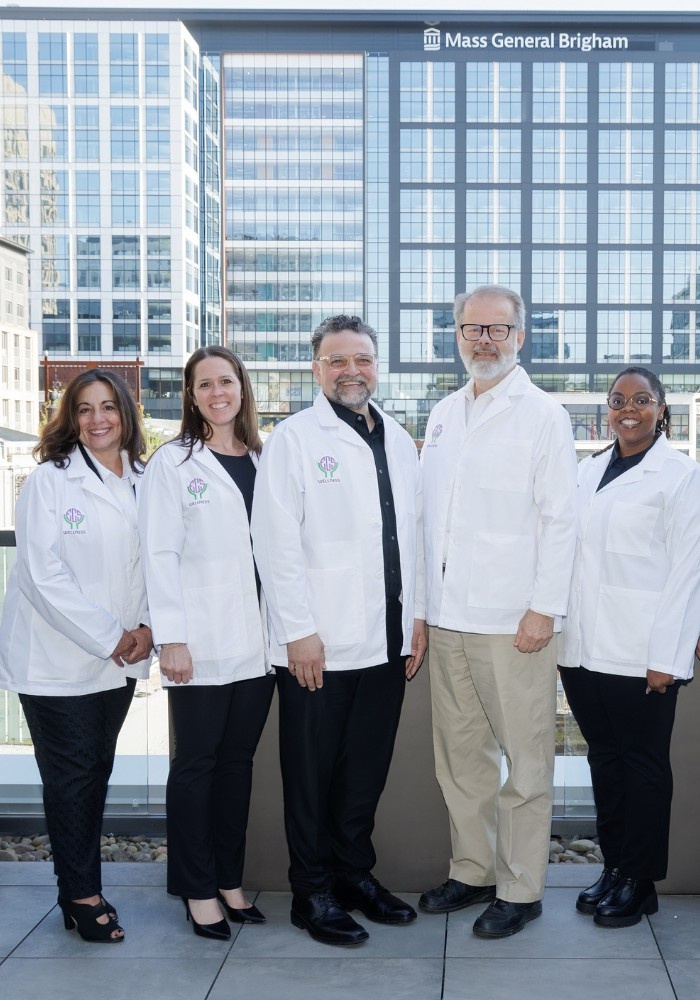
At ECS Wellness, our content is crafted by a dedicated team of healthcare professionals, lifestyle medicine experts, and wellness advocates committed to empowering patients with knowledge and guidance. Together, we provide evidence-based insights, practical tips, and resources to support your journey toward optimal health and well-being.