
Walk into any dispensary in Massachusetts, and you’ll quickly notice something:
There isn’t just one type of cannabis.
There are dozens of strains, each with its own aroma, potency, and effect on the body and mind. Names like Hash Burger, Ghost Train Haze, and N.Y Sour Diesel aren’t just branding; they reflect how different compounds in the cannabis plant interact with your body’s endocannabinoid system (ECS).
Understanding that connection is essential.
Because cannabis doesn’t work in isolation, it interacts with a system already built into the human body—a system present in all humans—one that regulates mood, sleep, pain, appetite, and immune function.
So when people ask, “What’s my favorite strain?” the better question might be:
How does this strain affect my ECS?
Why Cannabis Strains Matter for the ECS
The ECS is made up of cannabinoid receptors—primarily CB1 and CB2—that help maintain balance across multiple systems in the body.
- CB1 receptors are found in the brain and the central nervous system
- CB2 receptors are found in immune tissues and influence inflammation
Compounds in cannabis—especially THC and other cannabinoids—can mimic the body’s natural endocannabinoids. This allows different strains to influence:
- Mood
- Sleep
- Pain
- Inflammation
- Energy levels
Research in areas such as biological psychiatry and neuropsychopharmacology continues to explore how these molecules interact with the brain. Current evidence is still emerging, and more studies are needed to understand the effects of different strains fully. Science continues to advance our understanding of cannabis and the ECS, highlighting the importance of ongoing research.
But not all strains behave the same.
The difference comes down to:
- Cannabinoid levels (like THC potency)
- Terpene profiles (aroma and effect)
- For example, Beta-Caryophyllene is unique as the only terpene that acts like a cannabinoid by binding to CB2 receptors, potentially providing anti-inflammatory benefits.
- Whether the strain leans towards indica, sativa, or hybrid
Understanding these variables helps patients and consumers better understand what to expect when they purchase or use cannabis.
Indica vs Sativa: The Foundation of Effects
At a basic level, cannabis falls into two primary species, which can guide you toward generally how they will make you feel:
- Cannabis indica
- Cannabis sativa
Indica plants are typically shorter and bushier, producing a more relaxing body high. These indica strains are often cultivated for higher CBD content and are commonly used as medicine for managing pain and inflammation, making them beneficial for diseases such as arthritis, fibromyalgia, and cancer-related symptoms, as well as for:
- Chronic pain
- Sleep support
- Inflammation
- Conditions like arthritis or multiple sclerosis
Sativa plants, on the other hand, are taller with thinner leaves and are associated with a more cerebral, energizing effect. Sativa strains are generally considered more effective for psychological disorders like depression, PTSD, and anxiety due to their uplifting and cerebral effects, and are often preferred for:
- Depression
- Anxiety
- Daytime energy
- Focus and creativity
Indica is often associated with relaxation and sedation, while sativa is linked to increased energy and euphoria. The reality is more complex, though.
Most modern cannabis is bred as hybrids—created by crossing any two strains, often using seeds selected for specific traits—designed to create specific effects.
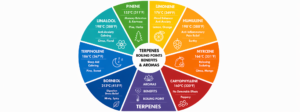
Terpenes also play a critical role.
- Myrcene may enhance sedation and “couch-lock” effects.
- Limonene supports mood elevation.
- Caryophyllene interacts with CB2 receptors to reduce inflammation
Together, these compounds influence how cannabis alters the body and mind.
Hash Burger: Heavy Body Effects and Deep Relaxation
Hash Burger is a strong indica-dominant strain known for its deeply relaxing properties.
Users often report a heavy body high, making it a popular option for those managing:
- Chronic pain
- Stress
- Sleep disturbances
This type of strain may be especially helpful for patients seeking relief from inflammation-related symptoms.
The terpene myrcene is commonly present in indica strains like this, contributing to its sedative effects. It may also help THC cross the blood-brain barrier more efficiently, increasing overall potency.
For individuals dealing with fatigue from chronic conditions, this kind of strain may help the body slow down and recover.
Cheese Wiz: Balanced Effects with a Functional Edge
Cheese Wiz is a hybrid strain that offers a balance between mind and body effects.
It’s often chosen by users who want relief without feeling overly sedated. The effects tend to include:
- Mild relaxation
- Improved mood
- Subtle mental clarity
This makes it a versatile option for daytime or evening use, depending on tolerance and dose.
For those exploring medical cannabis, hybrid strains like this can provide flexibility, offering symptom support without fully impairing energy levels.
Cap Junky: Intense Effects and Strong ECS Activation
Cap Junky is a strain that tends to deliver a more pronounced, fast-acting experience than many others.
Users often describe a noticeable shift in both body and mind shortly after use, with effects that can feel immersive and long-lasting. This type of response reflects the extent to which certain strains can interact with cannabinoid receptors, particularly in the central nervous system.
For some individuals, this may support:
- Mood elevation
- Stress reduction
- A sense of mental reset
Because of its intensity, Cap Junky is often approached with a bit more awareness. The way it interacts with the ECS can vary from person to person, especially in terms of tolerance and sensitivity.
For patients exploring medical cannabis, this highlights an important point:
Not all strains affect the body the same way. Understanding how a strain interacts with your system—rather than just its name—can help guide more intentional use.
However, higher potency also requires caution. Not everyone responds the same way, especially those sensitive to THC.
Understanding your tolerance is essential when exploring stronger strains.
Brownie Scout: Deep Relief for Pain and Sleep
Brownie Scout is another indica-leaning strain known for its powerful body effects.
It is commonly used by patients dealing with:
- Chronic pain
- Arthritis
- Sleep disorders
This strain tends to produce a calming effect that spreads throughout the body, making it useful for evening or nighttime use.
For individuals who struggle with sleep due to pain or discomfort, this type of strain may help regulate rest cycles.
Candied Garlic: Flavor Meets Function
Candied Garlic stands out for its unique aroma and terpene profile.
The smells are often described as savory with a hint of sweetness, creating a distinct sensory experience.
Beyond aroma, strains like this may support:
- Inflammation reduction
- Immune system balance
Terpenes like caryophyllene may play a role by interacting with CB2 receptors, which are involved in immune function.
This highlights an important point: Cannabis is not just about THC; it’s about the full profile of compounds working together.
Ghost Train Haze: Energizing and Cerebral
Ghost Train Haze is a classic sativa strain known for its energizing and uplifting effects.
Users often report:
- Increased energy
- Enhanced focus
- A strong cerebral high
This makes it a popular choice for daytime use, especially for those seeking motivation or creativity.
Because sativa strains tend to be more stimulating, they may be helpful for individuals managing fatigue or low mood.
N.Y Sour Diesel: A Classic with Proven Effects
Few strains are as well-known as Sour Diesel. Its high-quality bud and distinctive, resinous flowers are visually appealing and prized for their potency and medicinal value.
This sativa-dominant strain has been widely studied and reported on. Approximately 35% of users say it helps reduce stress, while 28% report benefits for anxiety and depression.
The smoke of Sour Diesel is known for its pungency and energizing qualities, delivering uplifting effects that provide a burst of energy and creativity, making it a popular choice for daytime use. Users often describe the effects as a mentally energetic head high that lasts for hours, promoting sociability and a positive mindset.
Sour Diesel is known for its sharp, fuel-like aroma and long-lasting effects.
For many, it remains a favorite daytime strain. While Sour Diesel is a classic, there are many others available to suit different needs.
Choosing the Right Strain for Your Body
With so many various strains available, choosing the right one can feel overwhelming.
The key is understanding how your body responds.
Different people may:
- Feel energized by one strain
- Feel relaxed by another
- Respond differently to the same product
This is where feedback becomes valuable.
Pay attention to:
- How do you feel after use
- How long do effects last
- How it impacts mood, sleep, and pain
Cannabis is not one-size-fits-all.
It is a personalized experience.
Final Thoughts
Cannabis is more than just a product you purchase at a dispensary.
It is a complex plant containing cannabinoids, terpenes, and other molecules that interact directly with the endocannabinoid system (ECS). This system helps regulate mood, sleep, pain, and overall balance in the human body.
From Hash Burger to Sour Diesel, each strain offers something different. Many strains are carefully cultivated to produce specific effects and chemical profiles, supporting relaxation, sleep, or providing a more energizing, cerebral effect. Understanding those differences enables patients and consumers to make more informed decisions.
For individuals exploring medical cannabis, this becomes even more relevant. Cannabis is used as medicine to help manage a variety of conditions, from chronic pain and fatigue to anxiety and other symptoms. The goal is not just to try different strains, but to better understand how those strains interact with your body and your specific symptoms. Whether someone is managing chronic pain, fatigue, anxiety, or another condition, the right approach is always personalized.
At ECS Wellness, this is where the conversation shifts.
Instead of focusing only on THC levels or the name of a strain, the focus is on how cannabis works within the body’s existing systems. That includes understanding cannabinoid receptors, terpene profiles, and how different compounds may influence overall health.
For some patients, that may mean exploring indica strains for sleep or inflammation. For others, it may involve taking a more balanced approach with hybrid or sativa strains to support energy and mood during the day.
There is no single “best” strain.
But there is a better way to approach cannabis, with education, awareness, and a focus on how the ECS functions as a whole.
Because in the end, cannabis is not just about the effects you feel in the moment.
It is about how it fits into your long-term health, your daily routine, and your ability to create balance in the body.

Meghan Zaklin, MSN, FNP-BC is a board-certified Family Nurse Practitioner and clinical leader specializing in integrative, whole-person healthcare with a focus on cannabinoid medicine, mind-body connection, and lifestyle-based interventions. She is the Co-Owner and Chief Quality and Safety Officer at ECS Wellness, a Massachusetts-based integrative medicine practice dedicated to evidence-based medical cannabis care and personalized wellness solutions.