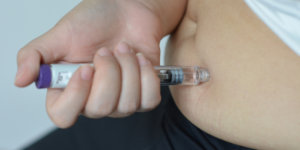
GLP-1 medications have quickly become one of the most talked-about tools in modern medicine. As their use expands beyond Type 2 diabetes to include obesity and weight management, more patients and healthcare providers are asking important questions about how these medications interact with other substances—especially cannabis. This article explores the risks, benefits, and unknowns of combining GLP-1 medications with cannabis, providing guidance for patients and healthcare providers navigating these decisions. With the increasing use of both GLP-1 medications and cannabis, understanding their potential interactions is essential for safe and effective care.
What Are GLP-1 Medications?
GLP-1 medications, also called GLP-1 receptor agonists, mimic the hormone GLP-1 in the body. This hormone, glucagon-like peptide-1, plays a key role in regulating:
- blood sugar
- insulin release
- appetite
- digestion
GLP-1 medications treat Type 2 diabetes and obesity. They work by:
- helping the body release more insulin when blood sugar rises to lower blood sugar
- reducing glucagon (which raises blood sugar)
- Slowing gastric emptying to reduce blood sugar spikes
- increasing feelings of fullness by acting on the brain’s appetite centers
This combination helps reduce food intake and promote sustained weight loss. Many patients experience an average weight loss of 10% to 18% of their starting body weight, and some lose 15% to 21% of their body weight over 68 weeks, depending in part on starting weight.
These medications are now FDA-approved for both diabetes and weight loss; semaglutide and liraglutide are FDA-approved to treat obesity and are often prescribed alongside lifestyle changes, such as dietary adjustments and increased physical activity. Liraglutide is approved for both Type 2 diabetes and weight loss.
Semaglutide is available as an injection and oral tablet, and many GLP-1s are injectable medications. Tirzepatide is a dual agonist that targets GLP-1 and glucose-dependent insulinotropic polypeptide receptors. Exenatide was the first GLP-1 agonist approved in 2005. Foundayo is an oral GLP-1 medication for weight loss.
Understanding the mechanisms and uses of GLP-1 medications sets the stage for exploring their effectiveness and potential interactions with cannabis.
Why GLP-1 Medications Are So Effective
The effectiveness of GLP-1 medications depends on how they influence appetite and metabolism at multiple levels.
They act directly on the brain’s appetite centers, helping patients feel full sooner and stay full longer. They also slow digestion, improve insulin sensitivity, help lower blood sugar, and may reduce the risk of major cardiovascular events.
For many patients, this leads to:
- Reduced calorie intake
- Improved metabolic health
- Better control over hunger signals
- Long-term weight management
However, these benefits also come with important considerations. Rapid weight loss may lead to:
- Loss of muscle mass
- Accelerated bone mineral loss
- Weight regain if lifestyle changes are not maintained.
- Loss of facial fat and volume
GLP-1 medications are not a standalone solution. They are part of a broader strategy that includes dietary changes, movement, and ongoing care.
Understanding these benefits and risks is crucial before considering how GLP-1 medications might interact with other substances, such as cannabis.
Common Side Effects and Risks
Like all prescription medications, GLP-1s come with potential side effects. These can range from mild to serious and may impact your decision to use these medications.
Gastrointestinal Side Effects
The most common side effects include:
- Nausea
- Vomiting
- Diarrhea
- Upset stomach
- Abdominal pain
These gastrointestinal symptoms often improve over time as the body adjusts.
Other Common Side Effects
- Dizziness
- Increased heart rate
- Injection site reactions, including redness or itchiness
- Mood changes
Serious Risks
In more serious cases, there may be an increased risk of conditions such as:
- Pancreatitis
- Gallbladder issues
- Thyroid tumors (especially in those with a family history of medullary thyroid cancer)
Patients with certain health conditions or medical conditions, including kidney disease or a personal or family history of thyroid cancer, should discuss risks with their healthcare provider before starting treatment.
Insurance and Cost Considerations
- Semaglutide may cost about $900–$1,200 per month.
- Tirzepatide may cost about $1,000–$1,300 per month.
- Some programs for GLP-1 medications start at $149/month with savings cards.
- Only 19% of large employer plans covered GLP-1s for weight loss in 2025.
- Some Medicare patients may access them for $50/month starting July 2026.
These factors can affect both access and cost for patients.
With a clear understanding of the side effects and risks, it’s important to consider how cannabis may interact with GLP-1 medications.
Where Cannabis Enters the Conversation
Cannabis interacts with the endocannabinoid system (ECS), a regulatory system that influences:
- Appetite
- Metabolism
- Mood
- Sleep
- Inflammation
The ECS includes cannabinoid receptors throughout the central nervous system, immune system, and peripheral tissues. This system plays a major role in maintaining homeostasis, including regulating hunger and energy balance.
Because GLP-1 medications and cannabis both influence appetite and metabolism, their interaction is worth examining.
Let’s explore how these two substances may affect appetite regulation.
Appetite Regulation: Opposing Forces?
One of the most interesting overlaps between GLP-1 medications and cannabis is how they affect appetite.
GLP-1 Medications
- Suppress appetite
- Promote satiety
- Reduce food intake
Together, these effects help people lose weight by reducing appetite and increasing feelings of fullness.
Cannabis (especially THC)
- Can stimulate appetite
- Enhance food reward
- Increase cravings
This creates a potential conflict. For patients using cannabis regularly, THC may counteract some of the appetite-suppressing effects of GLP-1 medications. This could impact:
- Weight loss progress
- Calorie intake
- Long-term results
However, this effect is not universal. Some individuals report minimal changes in appetite, while others experience significant increases in hunger.
Understanding appetite regulation is just one piece of the puzzle. Next, let’s look at how these substances affect blood sugar and metabolism.
Blood Sugar, Insulin, and Metabolic Effects
GLP-1 medications are highly effective at helping lower blood sugar and can help the body release more insulin while improving insulin sensitivity.
Cannabis, however, may influence these processes in more complex ways. Some research suggests cannabis may:
- Affects blood glucose levels.
- Influence insulin sensitivity
- Alter how the body processes energy
THC may temporarily increase heart rate and, in some cases, influence cortisol levels, which can impact blood sugar. CBD may interact differently, with some evidence suggesting anti-inflammatory properties and potential support for metabolic health.
GLP-1s are also sometimes used alongside other medications as part of broader blood sugar management, but the interaction between cannabis and GLP-1 medications in this area is still not well understood.
After considering metabolic effects, it’s important to examine how both substances impact digestion.
Digestion and Gastrointestinal Effects
GLP-1 medications intentionally slow digestion. This helps reduce blood sugar spikes and prolong satiety.
However, cannabis can also affect digestion. Depending on the individual and dosage, cannabis may:
- Slow gastrointestinal motility
- Increase or decrease nausea.
- Influence gut-brain signaling
For some patients, combining the two may increase the likelihood of:
- Nausea
- Bloating
- Digestive discomfort
For others, cannabis—particularly CBD—may help manage nausea symptoms associated with GLP-1 medications.
This is an area where individual response varies significantly.
With these digestive effects in mind, let’s look at how combining GLP-1 medications and cannabis may influence weight loss outcomes.
Cannabis Edibles and GLP-1 Medications: What to Know About Absorption and Effects
Cannabis edibles introduce a unique consideration for patients using GLP-1 medications.
Unlike inhaled cannabis, edibles must pass through the digestive system before entering the bloodstream. This process depends heavily on how quickly the stomach empties and how efficiently nutrients are absorbed.
GLP-1 medications are specifically designed to slow gastric emptying. While this helps regulate blood sugar and promote satiety, it can also change how edibles are processed in the body.
For patients using both, this may lead to:
- delayed onset of effects
- prolonged duration of effects
- unpredictable absorption
- stronger or more prolonged psychoactive responses
In practical terms, an edible that would normally take 30 to 90 minutes to take effect may take significantly longer when combined with GLP-1 medications. This delay can increase the risk of overconsumption, as patients may take additional doses, thinking the initial dose was ineffective.
There is also the potential for compounded gastrointestinal effects. Since both GLP-1 medications and edibles can influence digestion, some individuals may experience:
- increased nausea
- bloating
- discomfort
- changes in appetite signals
Additionally, because edibles are often combined with sugars or fats, they may lead to unexpected calorie intake, which can interfere with structured weight-loss goals.
For patients who choose to use edibles while on GLP-1 medications, a cautious approach is important:
- start with a lower dose than usual
- allow more time before considering additional intake
- monitor how your body responds over several uses
- consider alternative methods such as tinctures if absorption becomes inconsistent
At this time, there is limited clinical research on how GLP-1 medications specifically affect edible cannabis metabolism. Individual response can vary significantly based on dose, body composition, and overall digestive function.
Understanding this interaction is important, especially for patients who rely on edibles for sleep, pain management, or anxiety support.
Weight Loss Outcomes: What Happens Together?
GLP-1 medications are designed to promote weight loss through appetite suppression and metabolic regulation.
Cannabis may influence this process in different ways:
Potential Challenges
- Increased appetite from THC
- Higher calorie intake
- Disruption of structured eating habits
Potential Benefits
- Improved sleep
- Reduced stress
- Better adherence to lifestyle changes
Stress and poor sleep are often overlooked factors in weight management. If cannabis improves these areas, it may indirectly support overall health, and better weight control may also help reduce joint pain or ease sleep apnea symptoms where relevant.
Again, this depends heavily on the individual, the type of cannabis used, and the dosage.
Understanding what happens when these substances are combined leads us to the next important topic: what we still don’t know.
Unknowns: What We Still Don’t Know
This is where the conversation becomes most important.
There is currently limited clinical research on combining GLP-1 medications with cannabis.
We do not yet have clear answers on:
- Long-term safety
- Optimal dosing strategies
- Metabolic interactions
- Effects on weight loss outcomes
Some patients who stop GLP-1 treatment may see lost weight return over time. Others may also experience weight regain after stopping treatment.
Because both influence overlapping systems—appetite, metabolism, and the nervous system—there is a need for more research.
Until then, caution and individualized care are essential.
With these unknowns in mind, let’s move to practical considerations for patients and providers.
Practical Considerations for Patients
If you are using or considering both GLP-1 medications and cannabis, there are a few key considerations as part of a personalized treatment plan and coordinated health care.
Work with a Healthcare Provider
- Always discuss your full medical history, including cannabis use, with your provider.
- This helps your provider assess your overall health, mental health, and other health conditions before treatment.
- They may also review your body mass index and related conditions when deciding whether a weight loss medication is appropriate.
Monitor Appetite and Food Intake
- Be aware of how cannabis affects your hunger.
- Tracking patterns can help you stay aligned with your goals.
Start with Lower Doses
- If using cannabis, start with a lower dose to minimize unwanted effects.
Lifestyle Support
- GLP-1 medications work best when combined with:
- Dietary changes
- Physical activity
- Sleep optimization
- Some people may also need other treatments in addition to medication and lifestyle support.
- These remain essential for long-term success.
Watch for Side Effects
- If you experience worsening symptoms such as:
- Persistent nausea
- Abdominal pain
- Dizziness
- Follow-up visits are important for monitoring side effects and safely adjusting treatment.
Insurance and Cost Considerations
- Insurance coverage varies by plan and can affect both access and cost.
- Semaglutide may cost about $900–$1,200 per month.
- Tirzepatide about $1,000–$1,300 per month.
- Some programs for GLP-1 medications start at $149/month with savings cards.
- Only 19% of large employer plans covered GLP-1s for weight loss in 2025.
- Some Medicare patients may access them for $50/month starting July 2026.
Contact your healthcare provider immediately if you have concerns or experience serious side effects.
With these practical tips, let’s take a broader look at how GLP-1 medications and cannabis fit into overall health strategies.
A Broader Perspective on Health
GLP-1 medications are changing how health care approaches obesity and weight management. Cannabis represents a growing area of interest in holistic healing and symptom management.
Both have potential benefits. Both come with risks. And both require thoughtful, individualized use.
Plans should also account for overall health, related health conditions such as high blood pressure or high cholesterol, and whether the goal is to treat obesity.
At ECS Wellness, the focus is not just on one treatment but on how different systems and therapies interact within the body.
By considering the whole person and all aspects of health, patients and providers can make more informed decisions about combining GLP-1 medications and cannabis.
Final Thoughts
GLP-1 medications and cannabis are influencing the same core systems: appetite, metabolism, and balance. But they do so in different and sometimes opposing ways.
GLP-1 medications suppress appetite and regulate blood sugar. Cannabis may stimulate appetite and alter perception of hunger.
The interaction between the two is not fully understood.
What we do know is this:
- GLP-1 options vary, from once-weekly semaglutide and a weekly injection to extended-release forms and oral options such as FDA-approved Foundayo.
- Success with either approach depends on awareness—awareness of how your body responds, how different systems interact, and how lifestyle choices support or disrupt balance.
Because long-term health is not built on a single medication or approach. It is built on understanding—and supporting the systems that keep the body in balance.