Some cannabis formulations, particularly those containing humulene and THCV, may influence appetite differently, helping certain individuals feel more regulated rather than more hungry.
At ECS Wellness, this is a common question we hear from patients navigating weight, metabolism, or appetite changes alongside chronic conditions.
Understanding how these compounds interact with the endocannabinoid system is where the conversation becomes more useful and more personalized.
- Humulene is a naturally occurring terpene linked in early research to appetite regulation, anti-inflammatory effects, and pain relief.
- Certain strains—like Durban Poison, Sour Diesel, Power Plant, Girl Scout Cookies, and Headband—may offer more balanced, “munchie-resistant” effects.
- ECS Wellness helps Massachusetts patients interpret terpene profiles and COAs for concerns like chronic pain, PTSD, insomnia, and appetite regulation.
- Cannabis is not a diet drug; clinical guidance is important when exploring appetite or weight-related goals.
What Is Humulene and Why Does It Matter for Appetite Suppression?
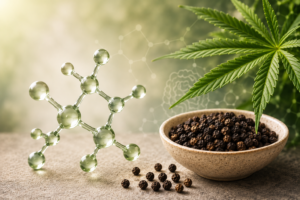
Humulene, also known as alpha-humulene, is an earthy, hoppy sesquiterpene found in cannabis, hops, black pepper, and sage. It shapes aroma, but it may also provide therapeutic benefits.
Unlike THC, which stimulates CB1 receptors and often causes munchies, humulene works in the exact opposite direction for some users. Cannabis strains rich in the terpene humulene are frequently researched for their potential to act as an appetite suppressant, helping to curb the “munchies” often associated with THC.
Research indicates that humulene can suppress appetite by influencing ghrelin production and improving leptin sensitivity, which helps the body recognize satiety cues. Humulene’s appetite-suppressing effects typically begin 30-45 minutes after consumption and can last for 2-4 hours, making it useful for those looking to manage portion sizes. Humulene also targets COX-2 enzymes involved in inflammatory response; preclinical research supports anti-inflammatory activity.
How Cannabis Strains Can Curb or Trigger the Munchies
The endocannabinoid system includes CB1 receptors in the brain, nervous system, and body. When THC activates CB1, most people experience increased hunger, stronger hunger signals, and food cravings.
But not all strains act the same. The effect of cannabis on appetite can vary based on individual body chemistry and the presence of other cannabinoids such as THCV or CBD. Cannabis strains that help suppress appetite typically have lower THC levels and higher concentrations of THCV and CBD, which can counteract the appetite-stimulating effects of THC.
Terpene profiles matter more than simple indica strains versus sativa strains labels. High THC strains may trigger uncontrollable munchies; high CBD strains or products with high CBD content may be gentler. In Massachusetts, check batch-specific Certificates of Analysis. To verify humulene presence in cannabis strains, look for a batch-specific Certificate of Analysis (COA), where significant levels are usually between 0.1% to 0.5% in flower.
The 5 Best Humulene‑Rich Strains to Help Curb the Munchies
Humulene varies by grower, harvest, and curing. Track dose, pain, mood, energy, hunger, and consumption methods in a journal.
1. Durban Poison: Classic Appetite‑Suppressing Powerhouse
Durban Poison is a pure sativa strain, sativa-dominant, known for high THC content, helping users maintain focus, creativity, and mental clarity while avoiding increased appetite. Durban Poison is known for its high THCV content, making it one of the best strains for appetite suppression while providing an energizing effect.
It is often stimulating, focused, and useful for daytime use, outdoor activity, fatigue, and staying productive. Sensitive cannabis users should use lower doses.
2. Sour Diesel: Energetic Relief Without Heavy Snacking
Sour Diesel is a sharp diesel-citrus hybrid with uplifting effects, limonene, beta caryophyllene, and sometimes notable humulene. Users report euphoric energy, social situations support, and mild pain relief without intense hunger
It may be an ideal choice when motivation, mood, and appetite control matter.
3. Power Plant: Balanced South African Strain That Keeps Cravings in Check
power plant is typically clean, herbal, peppery, and alert. Its humulene and caryophyllene profile may support appetite suppression while offering calm energy.
This can fit patients seeking daytime use, light anxiety support, pain relief, and the ability to work or study without snack spirals.
4. Girl Scout Cookies (GSC): Potent Hybrid with Surprising Appetite Control
Girl Scout Cookies is a potent hybrid from Durban Poison and OG Kush. It can be high in THC, so dose matters. At moderate levels, its humulene and genetics may counteract increased hunger for some users.
GSC may suit evening pain, PTSD stress, or insomnia support, but new users should start very low.
5. Headband (and Similar Humulene‑Rich Hybrids)
Headband, related to Sour Diesel and OG Kush, often brings a “halo” head sensation, relaxing body effects, and humulene-forward terpene profiles. Some patients report minimal appetite change.
Strains like OG Kush phenotypes, Skywalker OG, Death Star, White Widow, Chemdawg, Jack Herer, Bubba Kush, and select CBD-rich hybrids are worth exploring by COA, not just by name alone.
Other Terpenes and Cannabinoids That Help Suppress Appetite
Humulene is one compound in a larger therapeutic picture.
- THCV may act like a CB1 “brake.” Jack the Ripper is a sativa strain that contains about 5% THCV, providing an energizing effect that enhances focus while suppressing hunger.
- Doug’s Varin is a rare sativa strain specifically bred for high THCV content, offering clear-headed mental stimulation and energy without increasing appetite.
- Cannatonic is a low-THC, CBD-rich strain that provides gentle mental clarity and relaxation, making it suitable for users seeking focus without the munchies.
- Other terpenes like limonene and pinene may support energy, brain focus, and mood without strongly driving food cravings.
How To Use Humulene‑Rich Strains Safely for Weight Management
Cannabis is not a weight loss medication. It may support a broader wellness routine that includes nutrition, movement, sleep, and clinician guidance.
- Start low, go slow, and avoid chasing stronger effects with THC.
- Prefer vaporization, tinctures, or capsules over high-dose edibles; smoking offers fast feedback but may not fit lung health goals.
- Practice mindfulness during meals to recognize natural hunger and satiety cues.
- Maintain a diet rich in fiber and protein to promote a sense of fullness.
- Avoid appetite experiments during pregnancy, eating disorders, uncontrolled cardiovascular disease, or medication changes without medical advice.
How ECS Wellness Helps Patients Choose Appetite‑Friendly Cannabis
ECS Wellness is a Salem, Massachusetts, integrative medical clinic specializing in evidence-based cannabis and lifestyle medicine since 2017.
Our clinicians provide medical marijuana certifications, telemedicine follow-ups, and insurance-based evaluations, including MassHealth and many private plans. We help patients interpret endocannabinoid system science, COAs, terpene profiles, and strains higher in humulene, CBD, or THCV.
Common scenarios include chronic pain with weight gain concerns, PTSD with emotional eating, insomnia, anxiety, or metabolic conditions where appetite control matters.
More Strains and Next Steps
If you want to enjoy cannabis without battling constant munchies, bring COA photos, product labels, and an appetite diary to your ECS Wellness visit. Note strain, dose, timing, consumption, pain, mood, hunger, and food intake.
The goal is not to find a “diet strain.” The goal is to understand how cannabis interacts with your body, and to use that understanding to reduce unwanted effects while supporting overall balance.
Frequently Asked Questions
Does humulene really suppress appetite, or is it just hype?
Early animal research and user reports suggest appetite suppression, but large human trials are limited. THC dose, CBD, THCV, and body chemistry all matter.
Can I use humulene‑rich strains if I have diabetes or metabolic syndrome?
Possibly, but only with medical supervision. Cannabis may affect heart rate, blood pressure, appetite, and medication needs. Do not change diabetes treatment without coordinated care.
How do I know if a product is actually high in humulene?
Check the COA terpene section. Humulene, among the top three terpenes, or around 0.1% to 0.5% in flower, may be meaningful, depending on the whole formula.
Will humulene‑rich strains still help with pain relief?
Many humulene-rich strains also contain beta-caryophyllene, THC, CBD, or myrcene, which may support pain relief and anti-inflammatory effects.
Is vaping or smoking better for appetite suppression than edibles?
Inhalation allows faster dose adjustment; edibles last longer and can trigger stronger THC-related hunger. Discuss the safest option with ECS Wellness.